Services  →  Odour Control

EPA Compliant · Up to 95% Reduction · Waste & Recycling

Odour at Your Boundary
Is an EPA Problem.
We Fix It at the Source.

Fixed atomising nozzle systems that neutralise odour compounds at the point of generation, designed to satisfy EPA licence conditions and resolve community complaints at waste transfer stations and recycling facilities across Australia.


✓ EPA Licence Compliant ✓ Up to 95% Odour Reduction ✓ Fixed At-Source Installation ✓ POEO Act Documented
Trusted by leading government, civil and industrial organisations across Australia
The Problem

Odour Leaving Your Site
Is a Liability, Not Just
a Nuisance.

Under the EPA Protection of the Environment Operations Act, odour emissions from waste and recycling facilities are a regulated matter. A licence condition requiring odour management controls, a neighbour complaint that escalates to the EPA, or an inspection that finds inadequate controls in place carries real operational and financial consequences.

youmist installs fixed atomising nozzle systems that neutralise odour at the source, at the tipping floor, processing area or receiving bay, before it becomes airborne and reaches your boundary. Using neutralising chemicals and odour-absorbing agents atomised to 5-10 micron particles, our systems modify the compounds that cause odour rather than simply masking them.

EPA Notice or Licence Condition

Your EPA licence requires documented odour management controls. We design, install and provide the compliance documentation to satisfy the condition on handover.

Neighbour or Community Complaints

Odour complaints that reach the EPA become an enforcement matter. A fixed at-source system is the most reliable way to demonstrate proactive management and resolve complaints before they escalate.

How It Works

Neutralisation at Source.
Not Masking at the Boundary.

The difference between an odour masking system and a true neutralisation system is where the treatment happens. youmist systems treat odour at the point of generation, so it never becomes a boundary problem in the first place.

01

Source Mapping

We assess the facility to identify primary odour generation points, active tipping areas, processing conveyors, stockpile zones and receiving bays. System design targets these specific sources rather than attempting to treat the whole airspace.

02

Fixed Atomising Installation

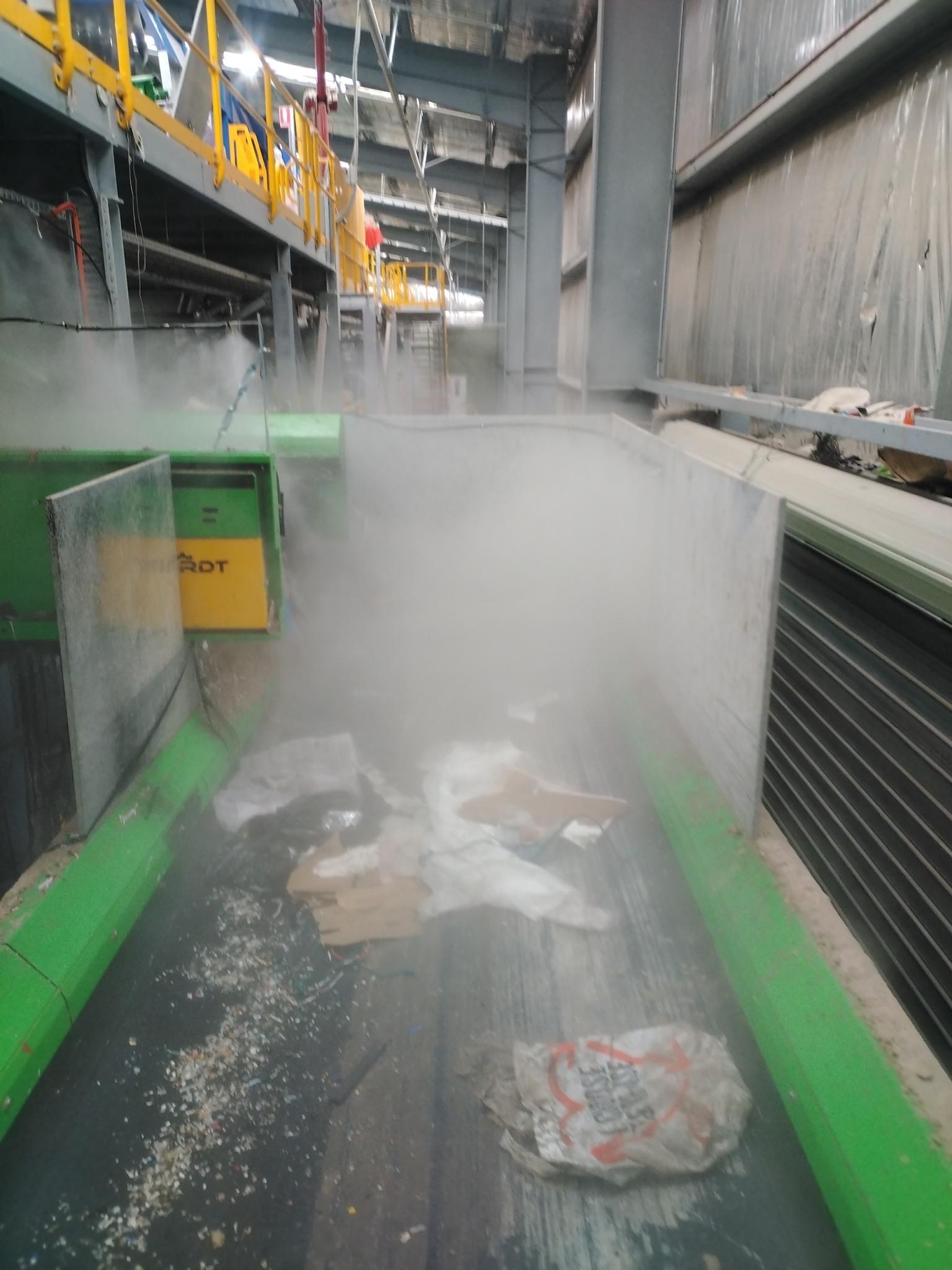
High-pressure nozzle arrays installed at source locations, tipping floor overheads, wall-mounted arrays above conveyors and receiving areas. Agents are atomised to 5-10 microns, producing a fine mist that intercepts and neutralises odour compounds before they disperse.

Atomising nozzle odour control at tipping floor
03

Agent Selection & Automation

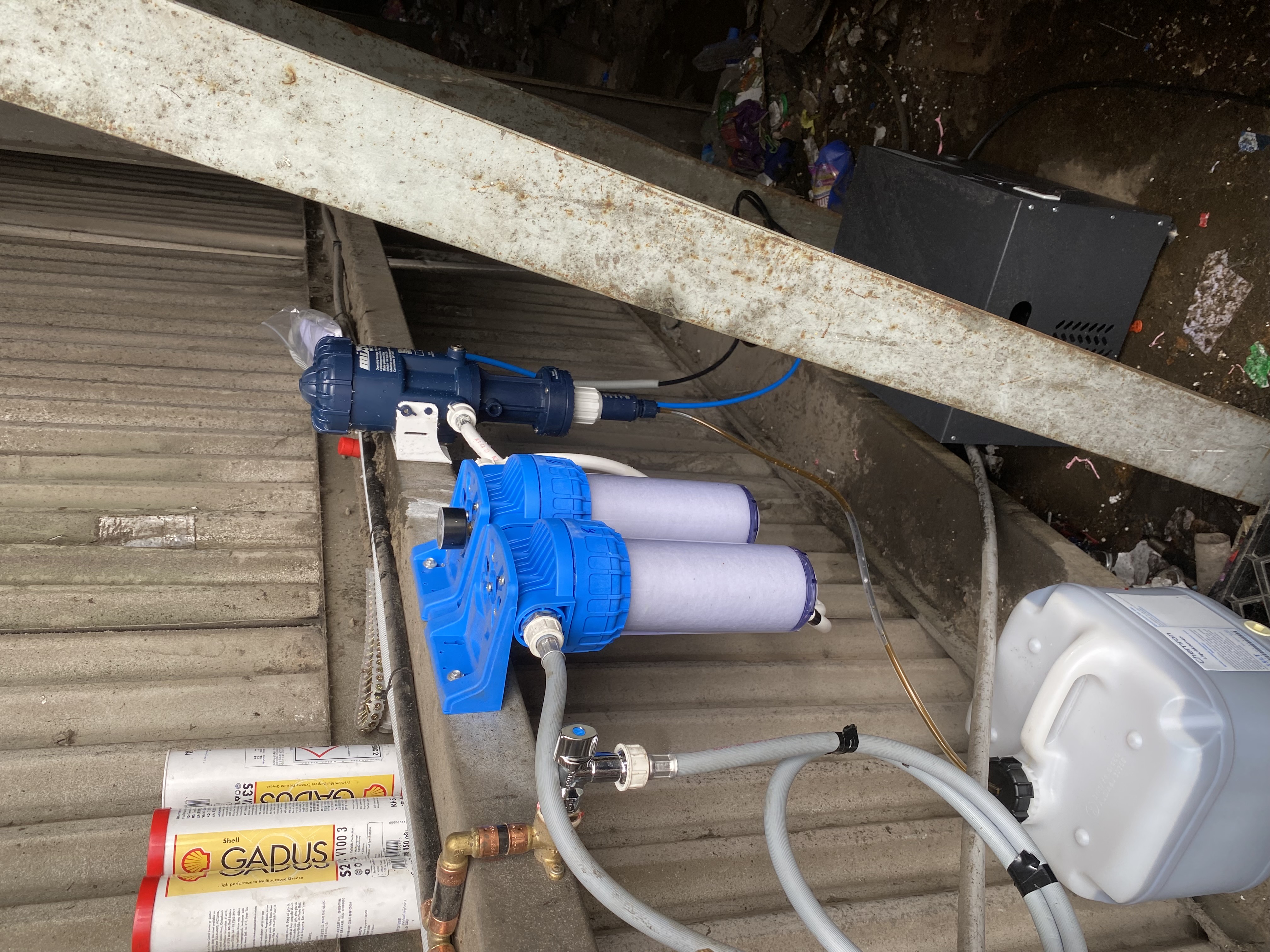
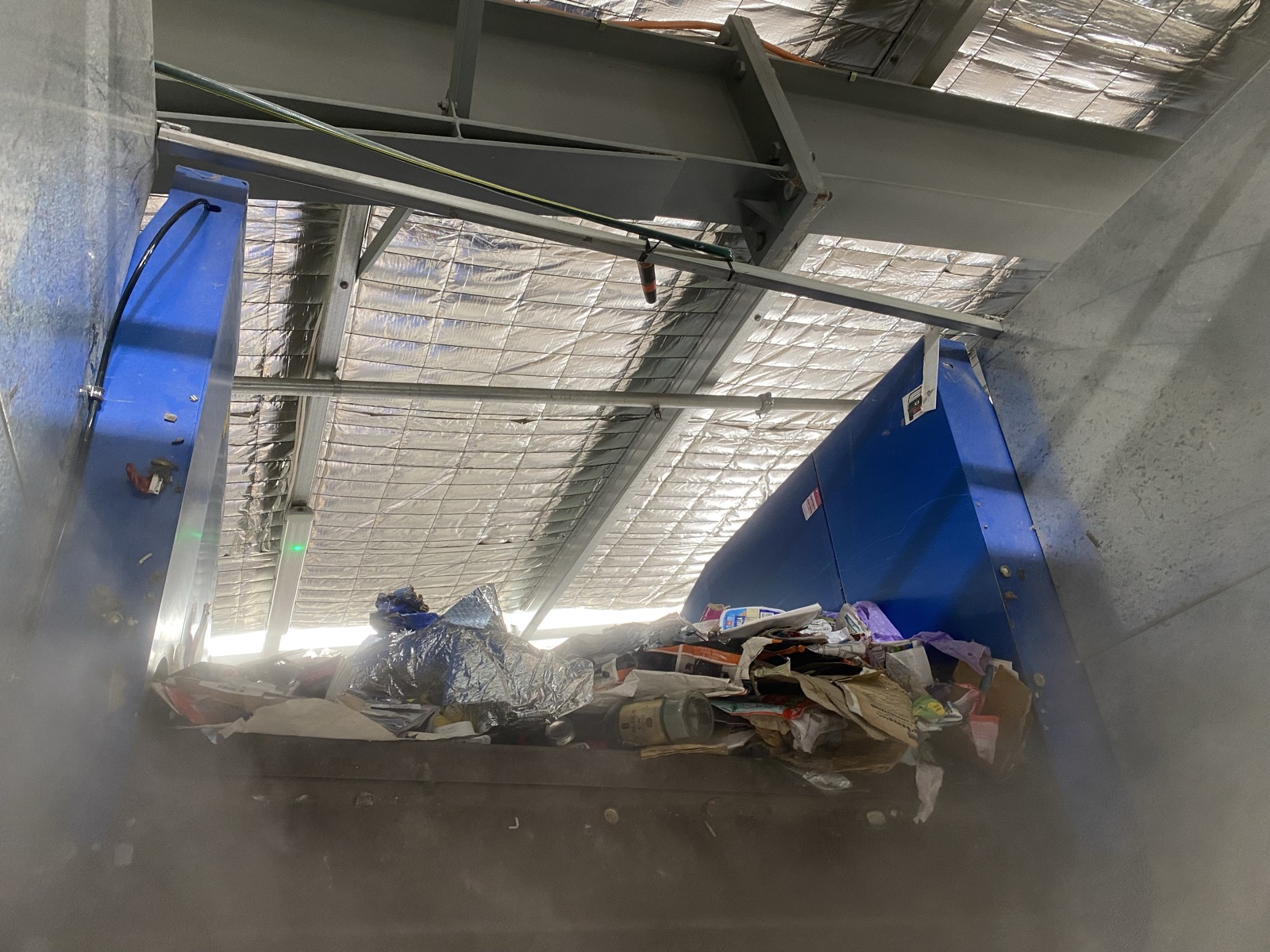
Two agent types are used depending on the odour profile: neutralising chemicals that block odour perception, and odour absorbers that chemically modify the compounds causing the odour. Systems are automated by timer, activating during operational hours with no manual intervention required.

Odour control pump station and agent delivery system
Treatment Agents

The Right Agent
for Your Odour Profile.

Not all odour problems are the same. The agents we use are selected based on the specific compounds your facility generates, ensuring neutralisation rather than temporary masking.

Agent Type 01
Neutralising Chemicals

Blocks Odour Perception at the Receptor Level

Neutralising agents are formulated to intercept and chemically react with odour compounds in the air, blocking the sensory receptor response that causes the perception of odour. Effective across a wide range of organic waste odour profiles including hydrogen sulphide, ammonia and volatile organic compounds.

Best for: Active tipping floors  ·  High-intensity odour sources  ·  Facilities requiring rapid response
Agent Type 02
Odour Absorbers

Modifies the Compounds That Cause Odour

Odour absorbers work by chemically modifying the molecular structure of the compounds responsible for odour generation, rather than masking them. The result is a sustained reduction in odour output from the treated area, effective across multiple organic odour compound types.

Best for: Processing areas  ·  Conveyor lines  ·  Ongoing background odour from decomposing material
Industries

Built for Waste &
Recycling Operations.

01
Waste Transfer Station Tipping Floors

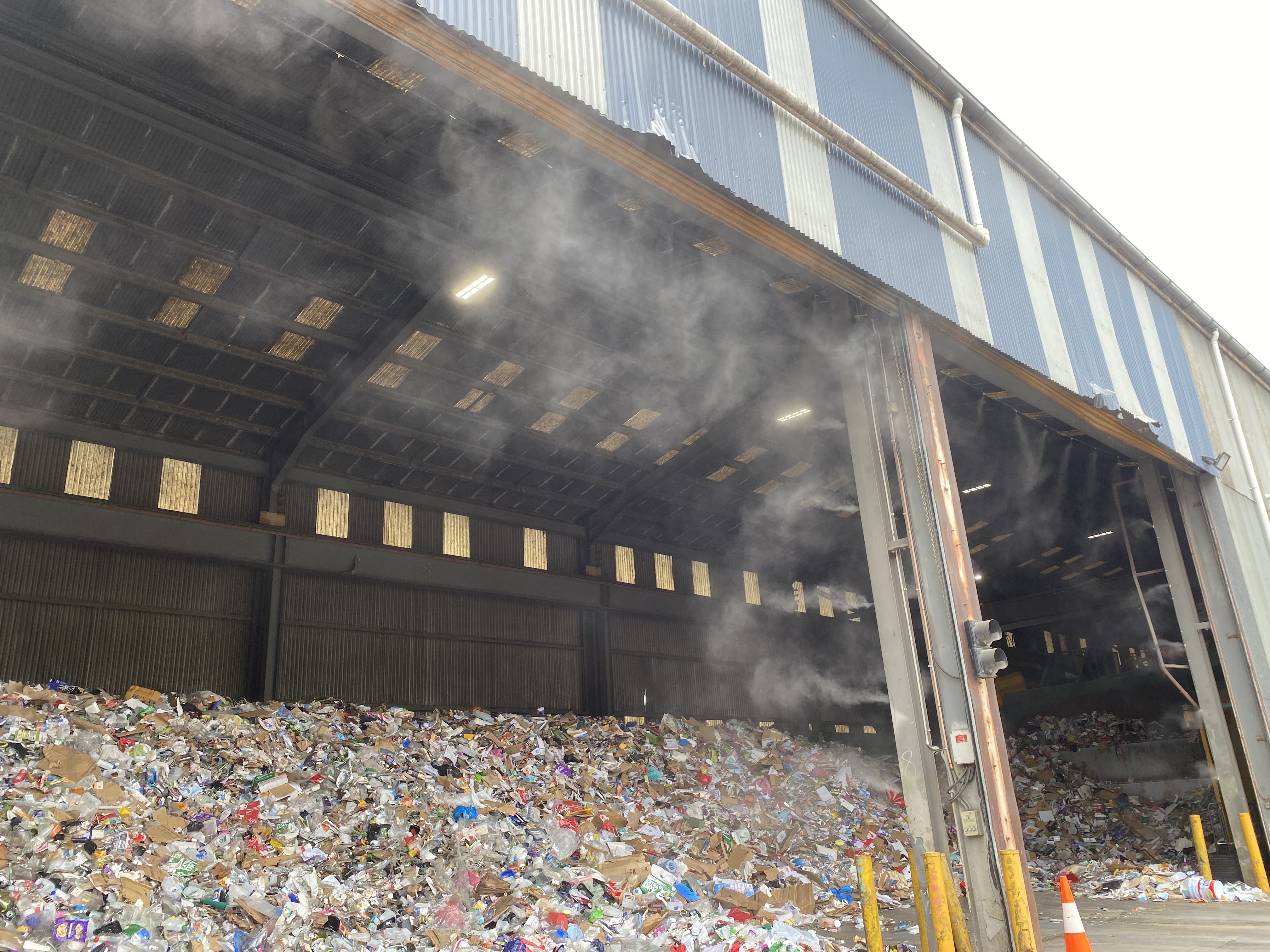
Active tipping floors are the primary odour source at waste transfer facilities, the point where incoming waste is received, sorted and transferred. youmist installs fixed overhead nozzle arrays above active tipping areas, atomising neutralising agents directly into the odour plume at source. Systems are automated to activate during tipping operations and can be zoned by tipping bay to minimise agent consumption.

EPA Protection of the Environment Operations Act  ·  EPA licence condition compliance  ·  POEO odour provisions
02
Material Recovery & Recycling Facilities

MRF and resource recovery facilities generate odour across multiple process areas, receiving bays, sorting lines, residuals stockpiles and compaction areas. youmist designs multi-zone systems targeting each source area independently, with separate agent delivery and automation for each zone. Co-installation with dust suppression systems is available for facilities with combined dust and odour requirements.

EPA licence condition standards  ·  Combined dust & odour management
Waste transfer station odour and dust suppression system
Case Study · Waste Transfer · Sydney Metro

Waste Transfer Station
Odour & Dust Suppression

Anonymous · Sydney Metropolitan Region

A major Sydney metro waste transfer facility was receiving escalating community complaints about odour reaching neighbouring residential properties, complaints that had been referred to the EPA and were at risk of becoming a licence enforcement matter.

youmist designed and installed a dual-function system, fixed atomising nozzle arrays delivering neutralising agents above the active tipping floor for odour control, co-installed with a dust suppression misting system for PM10 management. Both systems operate on timers triggered during active tipping operations.

The combined system addressed both the EPA odour licence condition and the dust boundary condition simultaneously, reducing the facility's compliance risk across two regulatory requirements in a single installation.


  • Community odour complaints resolved
  • EPA licence odour condition satisfied
  • Co-installed with dust suppression, single mobilisation
  • Automated operation, no manual intervention
  • Full compliance documentation provided to EPA
Compliance

Designed to Meet
Your EPA Obligations.

Every youmist odour control system is designed and documented against the specific EPA licence conditions and regulatory requirements of your facility, so that the system satisfies your regulator, not just your neighbours.

EPA Protection of the Environment Operations Act

Systems designed to satisfy EPA licence conditions for odour management at waste and recycling facilities. Full compliance documentation provided on handover, ready for submission to the EPA.

EPA Odour Licence Conditions

Design documentation, agent specifications, system operating records and commissioning data provided in a format suitable for EPA licence compliance reporting.

Community Complaint Response

A documented, installed odour management system is the most effective response to neighbour complaints referred to the EPA, demonstrating proactive management before enforcement action is considered.

FAQ

Common Questions

Odour masking introduces a stronger fragrance to cover the odour, which does not reduce the odour compounds themselves and provides no genuine compliance outcome. Odour neutralisation uses chemical agents that either react with and destroy the odour-causing compounds, or modify their molecular structure so they no longer cause odour. youmist systems use neutralising and absorbing agents that address the source, not the symptom, making them suitable for EPA licence compliance purposes.

Yes, provided the system is designed and documented against the specific condition. youmist designs odour control systems to the requirements of your EPA licence and provides a full documentation package on commissioning, including system design specifications, agent specifications, commissioning records and operating procedures. This documentation is prepared ready for submission to the EPA as evidence of compliance.

Agent selection depends on the odour compounds your facility generates. We assess the site, identify the primary odour sources and, where needed, review odour assessment data to determine the compound profile. Facilities with high-intensity hydrogen sulphide or ammonia sources typically suit neutralising chemicals. Facilities with ongoing background odour from decomposing material often benefit from odour absorbers. Many facilities use a combination of both agents across different zones.

Yes. Co-installation with dust suppression is common at waste transfer stations and MRF facilities where both EPA licence conditions apply. The two systems share infrastructure, pump stations and automation controls, meaning a single mobilisation addresses both requirements. This significantly reduces installation cost and site disruption compared to separate installations at different times.

Yes. Atomising odour control systems require regular agent replenishment as the chemical supply is consumed during operation. youmist offers scheduled maintenance and SLA agreements that include agent replenishment, nozzle inspection and cleaning, pump station servicing and system performance checks. Regular maintenance is also important for maintaining the EPA compliance record over time.

Work With Us

Have an Odour Problem
That's Reached the EPA?

Tell us about your facility, your licence condition and your timeline. We'll come back to you within one business day with a clear plan.